Sunday, March 27, 2022

Blog 2 – Presentations

Sandro Hernandez Maza

=========================================================================

            To begin with, I believe that all of the groups did an excellent job, both in terms of presentation and in terms of the slides. To summarize, there were three topics, and each group chose one. Group 3: selected infrastructure, Group 2: gender equality, and Group 1: climate change. Each topic had a subtopic that the team had to decide on before creating an agenda with all of the information. In addition, each topic was assigned chapters of the book, and we were required to create a study guide. Finally, and most importantly, I believe there was a significant improvement over the first presentation. The groups appeared to be more organized, and everyone appeared to be better prepared.

Group 3– Infrastructure.

First, I'll introduce Group 3, which happens to be the group I'm in. We had not yet decided on a leader when our group was formed; in fact, the first presentation we gave was without a leader. Even though we lacked a leader, we managed to get by. This presentation required more organization, and even though we hadn't decided on a leader, I believe Mayte stood out the most from our group; I believe she did a great job organizing the group, and I believe at this point we all consider her the group's leader. There was a significant improvement over the first presentation, and I believe we did an excellent job. I believe that our team still has some things to work on. For example, I believe that we should agree on a general design for the slides. During the presentation, I think we made a mistake by leaving a video on for too long. In addition, I believe we should have included more statistics in the slides and interviews. Finally, we present infrastructure as a subject. Rayvia and I were assigned the final subtopic, "Economics Infrastructure." I sent Rayvia a message several days before the presentation, and we agreed that I would explain and provide information about economic infrastructure, while she would provide examples of disasters caused by poor economic infrastructure. I think I did a good job of providing examples of economic infrastructure, and even though I was nervous, I know I did better than in the first presentation.

Group 2– Gender Inequality.

The second group to present was group 2, which presented gender inequality. In the first presentation, I think it was the team that did the best, and in this one, I also think the same. I think it is the most organized team and the one with the most communication because, although they did well in the first presentation, they did even better in this one. The introduction was quick and direct to the point. They agreed to use the same design for the slides. There were data and graphs. They also included several interviews, and it was understood at all times what they were saying. I don't see anything wrong with this presentation, and all I can say is that not everyone on the team presented, but even the person who didn't present went out of his way to record himself presenting, so I don't see anything wrong with it, and it is without a doubt the best presentation, in my opinion.

Group 1– Climate Change.

Lastly, we have Group 1, which presented climate change. Group 3 also did an excellent job of presenting and providing information on the subject. For example, they discussed how pollution might affect you and how we can address the issue. What I liked best about this presentation was that it was short and to the point, especially when compared to group 2's presentation, which lasted about 40 minutes. I also liked how they chose to use the same design for all of the slides. What I think the presentation lacked was more graphs and statistics, as I believe this topic necessitates a lot of this type of information. I also believe that at least one interview or something similar should have been included. To summarize, I believe that, as in the other groups, there was a significant improvement and that they did an excellent job.

            In conclusion, all the groups did a great job presenting the topics, and most importantly, there was a great improvement compared to the first presentations.

Blog #2 (Mayte)

            To begin, I must say that I was extremely impressed by the quality of the presentations. My peers did an excellent job explaining infrastructure and illustrating various examples of the theme. Everyone appears to be aware of the importance of infrastructure and its objectives. Every task necessitates group communication, of course. Communication is critical to success.

             I was nervous because I was the first one in my group to present, but the more I talked about infrastructure, the less nervous I became. Everyday life relies heavily on infrastructure. To name just some, examples of infrastructure include: public transportation systems; communication networks; waste management; sewage; water supply and resources; waste removal and storage; hazardous materials; schools; housing; health care; education and training; social housing programs; police; courts; and other systems for public safety; sewage; water; and electric power. Everything is essentially infrastructure, and the list could go on.

             Many aspects of infrastructure are unknown to us because we are not aware of the circumstances in which infrastructure is involved. In this theme project, I learned that there are a great deal of urgent improvements that need to be made around the globe. Due to the lack of attention to certain objectives, tragic events occur as a result of infrastructure failures. The world's priorities are jumbled, and they must be straightened out immediately.

             Overall, I believe we were able to grasp the infrastructural aspects of our presentation and address them. As a result of the group's presentation, I'm more open-minded about infrastructure as a whole. I had no idea what infrastructure was, and I'm grateful that I now understand it.

             Group 2's talk on gender inequality was excellent. I learned a lot from it. That they used first-person accounts to illustrate the issue of gender inequality was particularly effective. A video of them interviewing the individual would have been more effective than a written statement. I appreciate the way they described how men and women in the real world actually behave. As a woman, I believe that men and women are treated differently. In general, we are subjected to more harassment and other forms of unfairness. 

            My entire life, I was taught that women take care of the house and men take care of the yard because I was the only girl in my family except my mother. In my opinion, this was a violation of my childhood because I had so much responsibility. At the age of sixteen, I finally decided to stop doing the laundry and cleaning for my family on a daily basis. To say that I was worn out from having to clean up after everyone all day would be an understatement.

          All in all, I found their presentation to be very instructive and simple to follow. Inequality between men and women is an issue that affects everyone on a daily basis.  Knowing what is happening around you is a good thing, and group 2 conveyed that message. After they put their theme project together, they proved to be a good team.

            I really enjoyed the presentation given by group 3, however I think it could have been better arranged and included more information about climate change. The examples and visuals they used were interesting, but more information about climate change was needed. Maybe we should think about what resources we can use to help climate change.

            However, as a whole, they did a decent job outlining the causes of climate change. Much about climate change remains obscure, and learning more about it is always beneficial. There are certain things over which we have no influence, but there are other things that we can influence in order to improve the environment around us.

           Each group did an excellent job, and I like how everyone is working together to finish their duties. This lesson is a lot of fun, and it's really helped me broaden my perspective on a number of subjects. So far, I've had nothing but positive things to say about it. 


Friday, March 25, 2022

Blog# 2

Presentation summaries

There were 3 different presentations from three different groups that were all very good , the topics of these presentations included 1. Climate Change, 2. Gender Inequality, 3. Infrastructure. My group which was group 3 presented on the topic of Infrastructure.I believe all the groups did an amazing job with their presentations and they all went into extensive detail to help explain the topic they were assigned in a way that was digestable and entertaning. The group discussed important topics such as the future and present parts of infrastructure, Infrastructure in different countries, Social Infrastructure, and Economic Infrastructure. I think group 3's presentation was very well made and informative it illustarted how important infrastructure is too a country in a very entertaining way. Infrastructure makes up our roads and transit systems, water pipes and water treatment, as well as our parks and waste facilities to name a few. Infrastructure is extremely important because it's pretty much the skeleton of any functioning country, without proper management of infrastructure, none of the systems we have built can function properly. Another important example of infrastructure would be that of Social Infrastructure. Social Infrastructure are services and structures that support the quality of life of a nation, city or neighborhood, this encompasses basically anything that makes a place appealing to live such a Transport, schools, places for recreational activities, arts and culture, hospitals etc. The most common type of infrastructure is roadways, road are simply everywhere and people can't get from point A to point B without roads.The U.S rankes #14 on Infrastructure against Singapore which ranks #1, althought bolivia ranking last and regarded as not extensiviely devloped by international standards with an average of 5.7 out of 10.
The second group that presented was group 2 which had presented on important topic of gender inequality. I think that the group that had presented this power point did a fantastic job with the visuals, showing interviews and videos to help accentutate and illustrate the points of their presentation. They explained what they defintion of gender inequality was which is .Gender inequality is discrimination on the basis of sex or gender causing one sex or gender to be routinely privileged or prioritized over another. The group had also explained that discrimnation occurs in many places such as sports and the work place. Woman earning statistically less in silicon valley jobs or not being paid as much as male athletes  where some are paid up to almost a billion dollars whilst woman athletes make but a fraction of that. There is also gender inequality with the fashion industry , another excellent point that group 2 had explained , an incident had occured where fashion company and giant of the industry would not accept gay or transgender woman to walk on their runway in shows. These are experiences that all woman should be treated equally on but they simply are not due to rigid old ways that have yet to be completely changed. There is also medical inequality for woman from types of treatments to trans woman being completely discrimnated against based off solely personal opinion and beliefs, causing things like the exhorbant suicide rate for trans woman and men soley based off the extreme discrimination the face in all walks of life. There is also social discrimnation and the rigid gender roles placed on woman and how they're supposed to act, what they're interest should be , leaving little room for growth and personal enjoyment or doing something they're actually good at, instead forced into something they might actually not like or might just completely despise. Overall this presentation was very well put together and I am excited to see more from this group.    The final presentation was about the very important topic of climate change. This is a topic I personally enjoy a lot and find the topic very intriguing but I had felt that the presentation was a little bloated with text and information and wasn't the most digestable. Whilst they had brought up plenty of great points , they weren't communicated as well as they could have been which is an extremely important factor to get correctly when presenting to a group of people. Some of the key points that had been brought up were how climate change can heavily impact the agricultural market and how rising temperatures affect food production, leading to droughts etc. In just the past few decades climate change has already been shown to make alarming changes such as more frequent and harsher weather events, the ice caps in the far north melting, declining populations for plenty of varied species going extinict even. Coral reefs bleaching their colors, mosquitos expanding. A great example of the more extreme impacts of climate change have been with the recent wildfires these past few years in places like california and australia, the temperature reaching too high for dry grass and plants to keep up with causing fires and mass devastation around them, a very pronounced effect of climate change that has only shown up these past few years due to the constant blind eye turning in regards to the effects of climate change. The list goes on and on with how truly important the impact of climate change is. The U.S is making strides and attempots to reduce climate change such as pollution free power sectors in the future but I personally feel like it isn't enough and more extreme measures are required to truly protect the only planet we have. Whilst everyone can play their part in helping to reduce climate change, it truly comes down to mega corporations and the government that produce more than 70% of the worlds pollution to ultimately double down on fixing the mistakes and helping to create a healthier future for the planet and all of its inhabitants. Overall I feel that all the presentations were great, they all did a good job at explaining their points and arguments and I'm excited for the future to come with more group presentations

Thursday, March 24, 2022

Blog #2 Summary on each presentation (Nadia)

 Nadia Jean-Francois


Summary on each presentation


Each of our groups did a presentation on some very important topics like infrastructure, gender inequality, and climate change. Group 3 presentation was on infrastructure, group 2 presented about gender inequality, and group 1  presented about climate change. Each group did a terrific job with the presentation. I understood each topic very well because of the way my fellow classmates did their presentation. They stayed on topic and explained the material and added visuals to explain the topics. Each topic included different subtopics about the main topic. I will be summarizing each of the topics the groups presented. 

For starters, group 3 presentation was on infrastructure; I like the way the presentation looked for my group presentation because we added visuals, which I think it's important to include to help your audience have an idea of the information you are talking about. infrastructure is an organization's infrastructure consisting of the physical and organizational structures and facilities that are essential to its success. The foundation of the economy is built on infrastructure. There are many types of infrastructure, which include transportation, energy, water, and public space. The United States is now ranked 13th in the world by the World Economic Forum in terms of infrastructure quality. Infrastructure is important because without proper infrastructure, goods will not reach their destination in time leading to economic loss. Furthermore, Infrastructure has a direct impact on the economy of any country because it enables the movement of goods to the ports and airports and finally to other countries. I did my section on “country with Infrastructure compared to the U.S”. I choose the country Czech republic because it is #20 compared to the U.S. I gave information about both countries and compared them. Czech Republic's infrastructure is good, however, the United States is in the top two when it comes to Road and airport connectivity, which measure how readily people can get between different parts of a country.

Secondly, the group 2 presentation was on gender inequality; I really like the presentation, I like that they were different and added interviews and the visuals. The visuals made the presentation even more interesting and made the information easy to understand and comprehend. According to the presentation, they explained the definition of gender inequality which is defined as “unequal treatment or perceptions of individuals based on their gender because of expectations”. They explained the gender inequality that happens not only in the workforce but also they explained the gender inequality that happens in sport. Today gender discrimination in sport is a serious problem worldwide. Playing sports is not only for men, but it’s also for women. The pay for female athletes is lower than that of male athletes. For instance, in sports such as soccer or basketball, we can see those great athletes such as Messi, Ronaldo or Lebron James earn around 40 million dollars per year. Meanwhile, female athletes in these same sports such as Alexia Putellas or Diana Taurasi earn between $150k and 5500k per year. It is very unfortunate that women experience discrimination in the workplace and in sport it is not fair for women to experience that. The only difference between a woman and a man is their gender, other than that a woman should not be discriminated against because they are a woman. However, society is working toward becoming more inclusive of all races, genders, sexuality, and abilities, discrimination in sports continues to be a fun atmosphere. 

Lastly, group 1  presented about climate change; I like group 1 presentations however I feel like in their PowerPoint they had too many words. Most of the PowerPoint had almost paragraphs, instead they should have added the main idea instead of putting so many details. Furthermore, I wish it had more visuals like pictures or videos. Other than that the presentation was great. Climate change is a very interesting topic to learn about because many people have different opinions about climate change. The group presentation covered the problem pollution may contain and the solution of pollution and many more that I will explain later. Climate change affected agriculture productively at local and regional scales through alterations in rainfall patterns, more frequent climate extremes (like high temperature). Climate change can affect agriculture because it can impact national and international food markets. For example, the price of foods, fibers, and energy. Learning that from the presentation shows how important climate change is. The government of course cares about our climate change. In fact, president Joe Biden is planning to reduce greenhouse gas pollution by 2030 and to create a pollution free power sector by 2050 according to research. It is very good that our government takes our climate change seriously. Moreover, in one of the slides the group explained that it is too late to prevent some of the worse effects of climate change. However, we can still prevent it by investing in energy-efficient appliances and reducing water waste. To conclude, just like the other presentation group 1 presentation was very informative and I learned a lot. The group members also did a good job at the presentation. 


Wednesday, March 23, 2022

Marco (Presentations Blog)

  • Blog on Infrastructure, Climate change and  Gender Inequality 


Infrastructure- Presentenced by Group #3 

                 Group #3 members Marco, Mayte, Nadia, Sandro, Ryan, Lazaro, Mauro, Rayvia

        Some of the topics that were discussed during the presentation about Infrastructure were 
*Addressing what infrastructure is and where we are now in the U.S , how does it compare to other countries, and plans for the present, and where will we be in 10-20 years from now. It has come to the attention of the American people that the infrastructure in our country is not the same as it once 50 to 60 years ago. The government needs to do something about this conflict, is not also to improve our economy but also to provide safety to the people that live in the U.S. Having roads, bridges, expressways can be fatal in case one of them decides to collapse, it could cause a great amount of deaths.
*We would think that the United States infrastructure is the best in the world, but in fact it is not, it comes in at #13 in the rank for the best infrastructure in the world. With #1 being Singapore due to its effective runways, roads, buildings, and roads. The most obvious reason why Singapore is the number 1 country is because is a very significant small country which makes it easier to keeping it updated. the U.S needs to work more and harder and get our infrastructure to #1 because without good roads, highway, and other methods of transportation goods will not get on time to their destined place and would cause economy loss.
*Like I previous mentioned before having bad infrastructure can leads to deaths, we've seen it happening many times by now in our country. When there are hurricanes we see thousands of houses destroyed due to the material the house are built with, and not only it causes damages to the houses but also electricity, cars and even the roads and the worst part of that is that there are human lives at risk and some even lose their lives. Hurricanes are not the only threat, we also experience tornados and earthquakes in our country which is why the infrastructure should be more sustainable, so that when natural disasters like this happen our infrastructure does not get too damaged.
* Why is infrastructure so important to us, it is important because its what makes up our roads and transit system, water pipes and water treatment, as well as our parks and waste facilities. Some of the economical methods of infrastructure are transportation, energy, water, health and education, public space and technology. We have learn to adapt to all these factors and we are so accustomed to use them on our daily day that we now depend on them. here is no doubt infrastructure could get better in our country, our president and the government just need to do something in their power to fix this issue so we can we at the top of every other country.


Gender inequality presented by group #2

                       Some of the topics discussed during this presentation are the following
* As we all know when it comes to playing sports, its not only something a professional athlete does it is also their career, and careers should be taken seriously and should all be fair. The point is nowadays athlete women do not get paid as much as men do even if their professional careers involves the same sport. Women deserve the right and the respect to earn as much as men do, not only because its their jobs but also because sports can have risks, whether is soccer, basketball or even flag football can have risks. People always say that watching women's sports games aren't as exciting but on the contrary they are, and that is the reason why they should get paid evenly because they provide entertainment just like men athletes do.
* In society a man is seen as the person who should be, lets call it the "alpha" the leader of a house hold lets say for example, there is always the thought that the man should be the one having control of the house but no woman are capable of being independent too, they work hard, they don't stop until they accomplish what they have to do and never give up. In the workplace woman are tend to be seem like someone that is independent and that always needs help but on the contrary, women tend to be smarter than men, they always know how to candle things and make matter of it quick to get it done.
*Sexual harassment is something that should be taken very seriously, women suffer from sexual harassment from men everywhere they go to, it could be at work, in the streets or even at home. If a women is feeling like she is being sexually harassed there might be some ways of how to prevent it from getting any worse, they could call the police, they could defend themselves or ask for help to a personal friend. Women should be respected and treated with care, that is what they deserve for being mothers, daughter and grandmothers, and instead of making them feel uncomfortable, us men should work on making them feel loved and appreciated and stop women discrimination.
*Another important topic we see going on in today's daily life is the inequality there is with trans genders. One major fact is that trans genders aren't allowed to compete in sports due to many reasons, but the main reason why people say that it is unfair for trans genders to compete in women's spots is to give women the opportunity to compete against each other and not having to compete against men because it is scientifically proven that men tend to be stringer than most women. So in order for women to have a fair competition there should be any men involved or transgender.


Climate change presented by group #1

                            Some of the important details that were discussed are as follows 
*Air pollution has been one of the main problems in our planet due to the waste cars emit, smokes from factories, dust, pollen, volcanos and wildfires. Due to this factors air pollutions has spread all over the world, causing a lot of difficulty when it comes to breathing, and our air is not as safe as it once was. It can also affect you eyes, throat, lungs, nose, and being in a toxic environment can even cause death due to the toxicity there is in the air.
*Climate change affects nature in general from the smallest living organism to the largest. When there are frequent intense droughts, storms heat waves, rising sea levels it causes plants, humans and wild life to face every day new challenges for survival. And even melting glaciers and warming oceans for example, the wildlife that inhabits the poles suffer from this when its too hot the place where penguins live, glaciers start to melt and the oceans turn warm and these creatures don't belong in a warm environment, their nature is to be somewhere cold.
*Technology has had a huge impact in our lives it has helped achieve and discover so many new things in the world, but as much as it does good for us it also can have a negative effect on us and the planet we live in. Technological developments used in todays day in order for us humans to be able to trans[port from one place to the other are cars, planes, trains and ships. All these inventions have one thing in common and in a negative way, they all emit something called carbon emissions, is a substance that's dangerous for humans if its breath for tooo long, it can cause side effects like dizziness, headaches, difficulty breathing, tiredness, elevated blood pressure, and even convulsions. 
*There are many ways we humans can help our environment in order for climate change not to affect us and the wildlife as much. We can start off by saving energy at home, much of the energy we use is powered by coal, oil, and gas, walking or riding a bike somewhere can be more beneficial to the environment than driving a car, when you walk or ride a bike you are reducing greenhouse gas emissions. An one of the best ideas that have come to the attention of everyone is the making of a electric car that wont emit gas since it is not powered by any type of fuel. Using an electric car can play a huge role to reduce climate change, since it won't hurt our environment as much everyone that would like to help our planet to consider getting one.


Friday, March 4, 2022

My Review on group presentation- Nadia

My presentation was on group leadership and problem solving. To prepare my presentation first I read the chapter and highlighted the most important idea from the chapter. It was not easy to understand what the chapter was about at first, so I read it more than once. I decided to summarize the 5 different methods mentioned in the chapter. The five methods were: 1. The expert opinion method-  the group asks the member who has the most expertise to make the final choice. 2. The average group opinion methods- the alternative that receives the highest average becomes the choice. 3. The majority rule - The group votes on each alternative, the one that receives a majority vote is selected. 4. The unanimous decision- the group continues deliberation until members of the group believe that the same solution is the best. ​Finally, 5. The consensus method- the group continues deliberation until all members of the group find an acceptable solution, one they can support and are committed to helping implement.​ So, now that we evaluate the different group methods now the group can choose which method is best fit for everyone. I personally like method five where you continue to deliberate until everyone comes to an agreement. I feel as though there will be no problem since the majority of the group all made a decision and have an agreement.

Furthermore, I personally like my presentation. I feel like I explained the chapter well and did not read everything on the PowerPoint word for word. Also, I knew the chapter very well so that made it comfortable when I had to present. However, there are some things I will change. One thing I wish I did differently in my presentation is, I wish I also explained the pros and cons of each method. By that, I mean I should’ve explained why the method can be a good method and how it also can be bad depending on the type of group. Also, I noticed  my summary in the PowerPoint was too long compared to some of my other classmates. I should’ve done it more simply to the point and explained in more detail when presenting. It is really important to not have too many words in a presentation but more pictures to capture your audience's attention. Most people don’t like to read so seeing too many words in a presentation might cause them to lose interest. While, when you add a nice picture related to what you are talking about you will grab your audience's attention. However, I try to keep a balance and not overload the presentation with animations. As anyone who’s sat through a presentation while every letter of every paragraph zoomed across the screen can tell you, being inundated with complicated animations and exciting slide transitions can become irritating. To summarize, I was very confident in my presentation and took time to present it in a way to grab the audience's attention and not add too many words.In addition, I understood the chapter well enough to present it so that I knew what I was talking about. 

Our class was divided into three groups and each group was assigned one chapter. Group one had chapter 3, group 2 had chapter 9, and group 3 had chapter 10. In chapter three the group defines culture and the role of communication in culture. Chapter three also described the dimensions in  which cultures are different and explain the practice methods to improve the communication competence in cultures. Chapter nine discussed communication in groups and identified the different types of group and the characteristics of healthy groups. For example, there are social groups, support groups, work groups,and interest groups etc. Chapter nine also gave strategies to solve any group conflict that might occur. Lastly, in chapter ten it defines leadership and explains how leadership functions in teams, run effective meetings. Nelson Mandela “a leader is like a shepherd. He stays behind the flock, letting the most nimble go out ahead, whereupon the other follow, not realizing that all along they are being directed from behind”. That quote defines a leader very well. Personally, I’m interested in being a leader one day and not a boss. I want to learn to properly lead others the right way so that section in chapter 10 really grabbed my attention and makes me want to learn more on leadership.  Chapter ten also explains how groups can communicate in a variety of formats to come up with a solution. I explained the five methods that are commonly used to reach a group decision. Overall, each of the groups did an excellent job at explaining the chapter and I can confidently say I understood each of the chapter’s very well. Working with a group, having effective communication and good leadership in the group is very effective and would bring the group good results. 


A review on chapters ,3, 9 and 10 (Marco)


Chapter 3
 Intercultural communication

    Chapter 3 (Intercultural communication) is composed of main concepts like Race, Ethnicity, Sex and gender, Sexual Orientation, Religion, Socioeconomic Status, Age/Generation, Disability, Individualism/Collectivism, Context, Chromatics, Power Distance, Masculinity/Femininity, Indulgence, Potential Barriers.

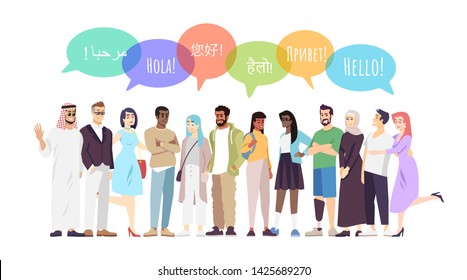
     Intercultural communication refers to the interactions that happen between people from different cultures and language. Different people from different places in the world they all belong to a certain and unique culture, cultures can consist of values, beliefs attitudes, and norms. Culture is a way of life, some people describes themselves by their cultures, like for example; when some approaches me asks me tell me something about yourself, I tend to say my Ethnicity, the place I was born and the things I like to do. But when I arrived to the United States 9 years ago I had to adapt to a new cultures, a new culture meant some changes in the way my life was, some of the new cultural aspects I had to adapt to were the language (English), the way people behave, the beliefs, the music, etc. When I first arrived here it was very difficult to adapt that quick because I had no idea what the U.S was like, so it was hard for me to communicate with others specially not knowing the language, but there are always people that belong to (co-cultures) so basically people who belong or are similar to the same culture as you, they may have common beliefs, values, attitudes.   


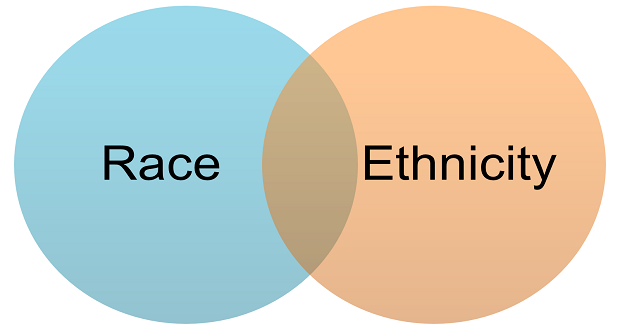
      Race, traditionally it was used to classify people based on their biological characteristics like skin and eye color, hair texture and body shape. However the use of the word "race" has now become sort of problematic due to some people feel like they are being discriminated because of where they come from or their appearance. Ethnicity refer to someone cultural heritage that is learned, so it can easily be someone's nationality (their place of birth) or even religious beliefs, (Ethnicity can be a broader term than race).


                                              Chapter 9 
                                   Communicating in Groups

       (Communicating in groups consist in different concepts like for example, Families, Social  groups, Support groups, Interest groups, Service groups, Work groups and Teams, Virtual groups, Mediated communication in virtual groups, healthy groups have ethical goals, healthy groups are interdependent, healthy groups are cohesive, healthy groups are accountable, forming, storming, norming, performing, adjourning and transforming, pseudo conflict, issue-related group conflict, personality-related group).

     A group of people is a collection of about 3 to 20 people who feel a sense of belonging and attempt to influence each other to accomplish a common purpose. Communicating into groups helps members accomplish a desirable goal, by working together they achieve their expectations. Group communications which consist of all the verbal and nonverbal messages shared among members, is what makes participating in groups a positive or negative experience. A personal example of mine is back when I was in High School I used to be part of the soccer team, as a group we had to perform well well in order to achieve our goal which was winning the game, by communicating with each other we would know what we to do, what we did wrong and how to improve for the next match.


The are different kinds of groups people may be involved in many of them and probably one of the most important is (family) a family can generally be defined as a group of people who, through their communication, generate a sense of home, group, identity, history, and future. Families tend to be the closest "group" people get involved with because they the members you spend most of your time with, and no matter what you say to them they will always help you instead of trying to judge you by your actions. There are also Social groups, a social group is composed of people who genuinely care about each other's welfare and enjoy spending time together. An example in my life of a social group is when  I used to attend church very often, I attended a group of young religious people called "Soldiers of Mercy" they were a social group in the sense that they made you feel like you were part of them even if you were new to the group, our motivate for this group was to learn about religion, Christ, and how to be better people in a corrupted world, every now and then we would have discussion and everyone would participate, everyone's voice was heard and that is what made this social group so enjoyable. Similar to social groups there is also Support groups, a support group is composed of people who come together to provide encouragement, honest feedback and a safe environment for expressing personal feelings about a problem common to the members. These are the type of members that are there to help you with whatever struggle you may be facing whether is mental, emotional or physical, they encourage you and give you support to find ways how to solve them.


                                                               Chapter 10
                                        Group leadership and program solving 

     Groups leadership and program solving has to do with the following concepts (Leadership, Task Roles, Maintained roles, procedural roles, shared leadership responsibilities, guidelines for meeting leaders, guidelines for meeting participants, systematic problem solving, identify and define the problem, analyze the problem, determine criteria for judging solutions, generate a host of solutions, evaluate solutions and decide, implement the agreed. Upon solution asses it, written formats, oral formats, virtual formats, group dynamics, group presentation).

  Leadership is a process whereby an individual influences a group of individuals to achieve a common goal. Our group which was group 3 talked about what a leader does and a leader behaves when it comes to guiding others to the achievement they desire. Task leadership roles, this helps groups acquire, process or apply information that contributes directly to completing a task. Maintain are the sets of behaviors that help the groups develop and maintain cohesion. Guidelines for meeting leaders, responsible leaders always organized and prepare the meeting before it takes place. There are certain steps a leader should follow for the meeting (before the meeting, during the meeting, after the meeting).


           (Before the meeting) there are procedures, prepare and distribute an agenda, decide who should attend the meeting, manage meeting logistics, speak with each participant for the meeting. 
           (During the meeting) Review and modify the agenda, monitor member interaction, monitor the time, praise in public and reprimand in private ,summarize decisions and assignments.
          (After the meeting) Review the meeting outcomes and process, prepare and distribute a meeting summary or  minutes, repair damaged relationships, conduct informal progress reports.  


   All the presentations from all groups ( groups 1, 2, and 3) taught us something very important with all the knowledge and information they added to their slides, in my opinion my group (group 3) did an awesome job on personation on the topic of group leadership and programs solving, we try our best for our presentation to be a success and that is why we were able to get good grades in it. Group 1 was very good too and they taught us a lot about cultures and the aspects of it. How people can communicate with others and interact with them. And finally group 2 which talked about communicating in groups showed us that even if we don't realized it we belong to a certain type of communicating groups, it can be family, social groups like the one's with our best friends and many more.


First Blog (Ryan)


Ryan Sutherland 

Chapter 3:Intercultural Communications


I personally enjoyed all the presentations from every group. What I would say was my favorite chapter and presentation was chapter 3 , Intercultural Communications. I think the concept of intercultural coummincations is something that isn't brought up a lot in regards to public speaking and just general speech but is probably one of the most important aspects.Intercultural communication is the mechanism whereby people of different groups perceive and try to make sense of one another. While there is no guarantee that people will be respectful of the differences they encounter in this process, it is certainly a criterion of good communication that people seek to understand the intentions of each other in non-evaluative ways. For that reason, intercultural communication incorporates particular strategies that encourage us to attribute equal humanity and complexity to people who are not part of our own group. It helps establish a sense of understanding between the cultures and probably helps with the most obvious issue between other cultures, the language barrier. This part of speech helps unite all kinds of different people and just makes everyone more human.Intercultural communication is integral to speaking to other people as it helps you understand their worldview and how their life has been. Within the context of intercultural communication, the term “multicultural” is used to refer to the multiple cultures represented in a group,  for instance, the U.S. workforce has become more multicultural, meaning that there is more diversity of national heritage due to immigration, more variation in domestic ethnic groups, more gender and age diversity, and more representation of minorities such as people with disabilities. Communities become multicultural as immigrants settle there, and teachers face increasingly multicultural classrooms. This growth is all due too the effort to understand and blend other cultures to unite and grow.An essential element of culture is the boundary that distinguishes “us” from “them.” Every human being belongs to groups defined by boundaries.


Chapter 9: Communicating in Groups


Group communication is arguably the most important part of all group related activities since it can either rapidly increase productivity and the effort put into whatever or the group needs or the complete opposite, group communication has been integral to accomplishing anything since the dawn of time whether it be hunting for survival or building massive buildings. All these feats were accomplished through group communications.To understand groups, there must be some way of determining what makes a collection of people a group. The number of members can be used to distinguish groups from other forms of social behavior, such as crowds, organizations, and interpersonal relationships. Also In terms of problem solving, work groups can accomplish more than individuals can. People, each of whom have specialized skills, talents, experience, or education come together in new combinations with new challenges, find new perspectives to create unique approaches that they themselves would not have formulated alone. It is also important within a group that everyone remains respectful , more likely than not the people in a group will a have different life experiences and world views, it's is extremely important that group as a whole moves passed those more individual issues and traits and focuses on their end goal, working together cohesively so that the group can accomplish what it had set out to do in the first place.Groups focus their attention on particular matters of interest. Unlike crowds, groups are more than just a collection of individuals. People come together in groups to accomplish a set of goals and to work together to accomplish those goals. Crowds disperse once the event that draws their attention is over, but a group remains intact.Group communication is considered effective as it provides an opportunity for direct interaction among the members of the group; it helps in bringing about changes in attitudes and beliefs. Group communication has limitations too, as group interaction is time consuming and often inefficient, especially in an emergency. Besides, imbalances in status, skills and goals, may distort the process and the outcome sharply.


Chapter 10:Group leadership and Problem solving


Group problem solving is the process of bringing together stakeholders who through their analytical decision making abilities can influence the outcome of the problem. The use of groups in problem solving is encouraged as groups tend to evaluate diverse solutions and action plans. The core objectives of the group are identifying the problem and developing solutions. Group problem solving has six steps. Which are too Identify, Analyze,Determine Criteria for Judging Solutions.,Generate Solutions, Evaluate, Implement the solutions.  The group solving steps are key and integral to any group project and can Define the problem by considering the three elements shared by every problem: the current undesirable situation, the goal or more desirable situation, and obstacles in the way. At the first stage, group members share what they know about the current situation, without proposing solutions or evaluating the information. Here are some good questions to ask during this stage: What is the current difficulty? The second part is to analyze. During this step a group should analyze the problem and the group’s relationship to the problem. Whereas the first step involved exploring the “what” related to the problem, this step focuses on the “why.” At this stage, group members can discuss the potential causes of the difficulty. The third step is to find solutions.During this step, group members generate possible solutions to the problem. Again, solutions should not be evaluated at this point, only proposed and clarified. The question should be what could we do to address this problem, not what should we do to address it. The fourth step would be too generate the solutions and come up with ways of how to address whatever problem you have. The fifth step is too evaluate your solutions and make sure you're picking the right ones and the final step would be to implement those solutions.

My First Blog (Mayte)


            Everyone in our class, in my opinion, did an excellent job explaining the material in the chapter we were given. Although some chapters were better than others, we still have the ability to finish the project despite this disparity. Even though I was apprehensive to speak, I was able to deliver a presentation. It's up to each of us to step up our game in the next group effort. In order to be successful as a team, it is essential to constantly improve and work together. Every group has my full confidence, and we can accomplish anything together if we communicate effectively. 

            Intercultural communication is the focus of Chapter 3. If you want to talk to someone from a different culture, you're engaging in "intercultural communication." In this process, people from various cultural backgrounds come together to create new, mutually understood symbols, meanings, and transactions. An identifiable group of people's culture is defined by its system of shared values, beliefs, attitudes, and norms. 

            To put it another way, values are the accepted norms of what is morally acceptable. Ideal values are those that people in a culture profess to believe in, while real values are those that guide their actions. When confronted with a new cultural environment, culture shock can result in psychological discomfort. Dominant culture refers to the learned system of norms held by the majority of society's most powerful individuals. Associating with and appreciating aspects of two distinct cultures is called biculturalism. People who share a set of values, beliefs, attitudes, and customs that are different from those of the dominant culture are part of a co-culture. Changes in linguistic and nonverbal patterns to fit in with the dominant or co-culture can cause a code switch. 

            When it comes to our sense of self, a large part of it is shaped by our connections to other cultures, both within and outside of our own. Cultural identity is passed down from generation to generation. When a person is born, he or she is expected to speak the language of his or her family's ethnicity. Biochemical and anatomical differences distinguish men and women. Gender refers to the socially prescribed roles and ways of communicating that have been established for men and women, respectively, within a society. Belief systems and ethical standards are part of the religious belief system set of rituals and beliefs.

            In a society, socioeconomic status is a person's or family's position in the power hierarchy based on their income level, education, and occupation. Physical, emotional, mental, or cognitive impairment that has an effect on a person's ability to function in society is considered to be disability. 

            An individualistic culture is one that values individual rights and responsibilities, including the right to express one's thoughts and ideas, as well as one's right to privacy. Collectivist cultures place a high value on belonging to a group, working together to achieve a common goal, maintaining social harmony, and avoiding personal or public embarrassment. Words are the primary means of conveying meaning in low-context cultures, which are defined as those in which speakers rely primarily on verbal communication. High-context cultures are those in which the context provides a significant portion of the meaning conveyed by a speaker.  

            Chronemics is the study of cultural differences in the way time is perceived. In monochronic cultures, time is viewed as a series of discrete events that take place one after the other. Polychronic cultures are those that see time as a flowing river. When it comes to a person's desire to avoid uncertainty, this is called "uncertainty avoidance." Cultures that are more accepting of uncertainty and less obsessed with controlling people, relationships, or events are known as low uncertainty-avoidance cultures. Cultural tendencies toward high levels of uncertainty-avoidance are characterized by an extreme desire to maintain control over potentially unpredictable individuals, relationships, or events. 

            The degree to which people in a culture expect and accept that power will be shared equally or unequally is known as power distance. High power-distance cultures are those that see unequal power distribution as normal. People in cultures with a low power-distance prefer a more equitable distribution of power. In cultures where men and women are expected to conform to traditional gender roles, this is called a "masculine culture." People in feminine cultures, regardless of gender, play a variety of roles and are respected for doing so. Short-term oriented cultures are those that place a high value on immediate gratification and focus on short-term outcomes. Long-term oriented cultures are those that place a high value on future rewards that can only be realized through long-term effort and patience. 

            People who believe that they are superior because of their culture are known as ethnocentrism. One way to avoid ethnocentrism is to learn about other cultures and respect their traditions and customs. Watching members of a culture or co-culture interact is a form of non-participant observation. Living or working with people whose cultural assumptions differ from yours allows you to engage in participant observation, which is a method of learning about a culture or co-culture. It is a display of genuine and unselfish concern for the well-being of others that is called altruism. A person who is egocentric prioritizes his or her own interests above all else. 

            To practice intercultural empathy, you must put yourself in the shoes of another person and try to feel what they feel. As a communicator, it is important to be able to adapt your message to fit your audience and the situation. When interacting with people from other cultures, those who are empathic and make a sincere effort to listen and respond with a focus on the other are the most likely to succeed. 

            Basically, this is how I interpret Chapter 3: Intercultural Communication. Each of us comes from a unique cultural background. You just have to learn how to do it and put it into practice in order to improve your intercultural communication skills.


A Brief Analysis of the Presentations for chapters 3, 9 and 10 - Sandro


Chapter 3: Intercultural Communication by Group 1.

The topic of the first presentation was intercultural communication, presented by Group 1. During the presentation, I learned the meaning of intercultural communication, which is the interaction between people whose cultures are so different that communicating with them is difficult. We also reviewed the meaning of culture and why it is important to correctly understand cultural intercommunication. We learned about the dominant cultures, co-cultures, and the identity of cultures. These topics cover very important things such as race, ethnicity, sex, gender, religion, sexual orientation, age, generation, disability, individualism, and collectivism. We also learned about different cultures, which allows us to empathize and adapt our communication patterns accordingly. Individualistic cultures value personal rights, responsibilities, privacy, expressing one's opinion, freedom, innovation, and self-expression, as I learned in the following section. Collectivist cultures, on the other hand, value community, collaboration, shared interests, harmony, the public good, and the avoidance of shame. This section also covered context, chronology, uncertainty avoidance, power distance, masculinity and femininity, long-term and short-term orientation, and indulgence. The last section that the presentation covered was the development of competence in cultural communication. I learned that to develop intercultural communication competence, you first have to recognize potential barriers. These barriers are anxiety, assumed similarity or difference, ethnocentrism, stereotypes, incompatible communication codes, and incompatible norms and values. To overcome these barriers, it is necessary to implement several strategies. It is necessary to acquire accurate knowledge, adopt an appropriate attitude, and develop culturally focused skills. Now that I have summarized what I learned in the presentation, I will try to give my opinion on it. I think it is always difficult to be the first group to present because you don't have much idea of what the expectations are, but if you are in the second or third group, you have a clear idea of what to do. It was a very good presentation, although I noticed that some were a bit nervous. Considering that they were the first and had less time to prepare, I think they did a good job.


Chapter 9: Communicating in Groups by Group 2.


In the second presentation, the topic was communication in groups, presented by Group 2. The first session was about the nature and types of groups. In this section, we review the meaning of "group," which is a collection of around 3 to 20 people who interact and try to influence factors to achieve a common purpose. Families are also discussed throughout the section, and how they can generally be defined as a group. Topics such as social groups, support groups, interest groups, service groups, workgroups, and teams were also covered. Of course, virtual groups and types of virtual groups were also discussed, for example, online social networks, teleconferences, video chats, and videoconferences. The second section was about the characteristics of a healthy group. We learned that a healthy group has ethical goals, is independent, is cohesive, develops and meets productive norms, is accountable, and is synergistic. The third section was about the stages of group development. These stages are Forming, the initial stage of group development characterized by orientation, testing, and dependency, Storming is the stage of the group's development characterized by conflict and power plays. Norming is the stage of group development characterized by increased cohesion, collaboration, trust, and motivation. Performing is the stage of group development when the skills, knowledge, and abilities of all members are combined. And finally, adjournment, the stage of group development characterized by the celebration of goal achievement and disconnection. The last session of the presentation was about conflicts in groups. This section covered topics such as pseudo-conflicts, which occur when group members who actually agree on something believe that they disagree due to miscommunication. Problem-Related Group Personality, Related Group Conflicts, and Virtual Groups were also discussed. As for my opinion of the presentation, I think it was my favorite. The presentations were loaded with information and used quite a few examples. I also liked several of the slide designs. Like all the groups, you could also tell that they were nervous, but of all the groups, I think it was the only one that made me pay more attention to the presentations.


Chapter 10: Group Leadership and Problem Solving by Group 3.


Lastly, the third and final presentation was on group leadership and problem solving, presented by Group 3, which is the group I am in. The first section was leadership, which is the process by which an individual influences a group of individuals to achieve a common goal. This section is about the task leadership roles of the Givers, Seekers, and Analyzers. The maintenance roles are supporters, interpreters, harmonizers, meditators, and tension relievers. Procedural roles are logistics coordinators, expediters, gatekeepers, and recorders. We also learned about the five common types of leadership: autocratic leadership style, democratic/participative leadership style, laissez-faire leadership style, transformational leadership style, and servant leadership style. Finally, this section covers the shared responsibilities of leadership, which are: being committed to the group goal, keeping discussions on track, completing individual assignments on time, encouraging input from all members, and managing conflict among members. The next section is about effective meetings. This section talks about the guidelines that leaders must follow before starting a presentation. For example, preparing and distributing the agenda, deciding who will attend the meeting, or talking to each participant before the meeting. It also talks about the guidelines that the meeting participants must follow, for example, studying the agenda, completing their tasks, or studying the minutes. The next section is systematic troubleshooting. This section covers topics such as identifying and defining problems, analyzing a problem, determining criteria to judge solutions, building a host of solutions, evaluating solutions, and finally deciding and implementing the agreed-upon solution and evaluating it. The next section is about communicating group solutions, which is basically how the group communicates its results. Your group could communicate its results through written formats, e.g., a written summary or a comprehensive report. You could also communicate using an oral format, such as an oral report or panel discussion. Finally, they could use a virtual format, for example, a streaming video or a remote access report. To finish, the last section is an evaluation of the effectiveness of the group. That is the section that I present. In the presentation, I try to explain what group dynamics are, which are how the group interacts to achieve its objective. I also use examples and talk about the importance of group dynamics. The next thing I presented was about group presentations, and I tried to explain what an effective presentation is and what you have to do to achieve it. During the presentation, I was nervous. I also got a little confused at first because the colors of my slides had changed. I deduced that it was due to a problem importing PowerPoint into Google Slides. For the next presentation, I will try to improve my body language because while presenting I felt like I didn't move a bit because I was nervous. As for my opinion of our presentation, we did a good job, but I think we could have done better because we had a lot more time than the other groups.


Blog 2 – Presentations Sandro Hernandez Maza =========================================================================                ...