Chapter 3
Intercultural communication
Chapter 3 (Intercultural communication) is composed of main concepts like Race, Ethnicity, Sex and gender, Sexual Orientation, Religion, Socioeconomic Status, Age/Generation, Disability, Individualism/Collectivism, Context, Chromatics, Power Distance, Masculinity/Femininity, Indulgence, Potential Barriers.
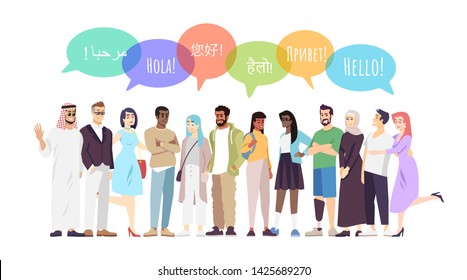
Intercultural communication refers to the interactions that happen between people from different cultures and language. Different people from different places in the world they all belong to a certain and unique culture, cultures can consist of values, beliefs attitudes, and norms. Culture is a way of life, some people describes themselves by their cultures, like for example; when some approaches me asks me tell me something about yourself, I tend to say my Ethnicity, the place I was born and the things I like to do. But when I arrived to the United States 9 years ago I had to adapt to a new cultures, a new culture meant some changes in the way my life was, some of the new cultural aspects I had to adapt to were the language (English), the way people behave, the beliefs, the music, etc. When I first arrived here it was very difficult to adapt that quick because I had no idea what the U.S was like, so it was hard for me to communicate with others specially not knowing the language, but there are always people that belong to (co-cultures) so basically people who belong or are similar to the same culture as you, they may have common beliefs, values, attitudes.
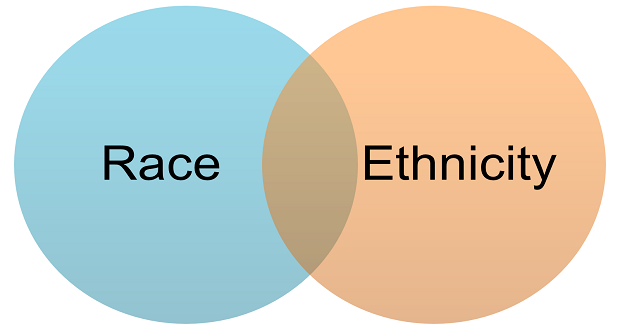
Race, traditionally it was used to classify people based on their biological characteristics like skin and eye color, hair texture and body shape. However the use of the word "race" has now become sort of problematic due to some people feel like they are being discriminated because of where they come from or their appearance. Ethnicity refer to someone cultural heritage that is learned, so it can easily be someone's nationality (their place of birth) or even religious beliefs, (Ethnicity can be a broader term than race).

Chapter 9
Communicating in Groups
(Communicating in groups consist in different concepts like for example, Families, Social groups, Support groups, Interest groups, Service groups, Work groups and Teams, Virtual groups, Mediated communication in virtual groups, healthy groups have ethical goals, healthy groups are interdependent, healthy groups are cohesive, healthy groups are accountable, forming, storming, norming, performing, adjourning and transforming, pseudo conflict, issue-related group conflict, personality-related group).
A group of people is a collection of about 3 to 20 people who feel a sense of belonging and attempt to influence each other to accomplish a common purpose. Communicating into groups helps members accomplish a desirable goal, by working together they achieve their expectations. Group communications which consist of all the verbal and nonverbal messages shared among members, is what makes participating in groups a positive or negative experience. A personal example of mine is back when I was in High School I used to be part of the soccer team, as a group we had to perform well well in order to achieve our goal which was winning the game, by communicating with each other we would know what we to do, what we did wrong and how to improve for the next match.

The are different kinds of groups people may be involved in many of them and probably one of the most important is (family) a family can generally be defined as a group of people who, through their communication, generate a sense of home, group, identity, history, and future. Families tend to be the closest "group" people get involved with because they the members you spend most of your time with, and no matter what you say to them they will always help you instead of trying to judge you by your actions. There are also Social groups, a social group is composed of people who genuinely care about each other's welfare and enjoy spending time together. An example in my life of a social group is when I used to attend church very often, I attended a group of young religious people called "Soldiers of Mercy" they were a social group in the sense that they made you feel like you were part of them even if you were new to the group, our motivate for this group was to learn about religion, Christ, and how to be better people in a corrupted world, every now and then we would have discussion and everyone would participate, everyone's voice was heard and that is what made this social group so enjoyable. Similar to social groups there is also Support groups, a support group is composed of people who come together to provide encouragement, honest feedback and a safe environment for expressing personal feelings about a problem common to the members. These are the type of members that are there to help you with whatever struggle you may be facing whether is mental, emotional or physical, they encourage you and give you support to find ways how to solve them.
Chapter 10
Group leadership and program solving
Groups leadership and program solving has to do with the following concepts (Leadership, Task Roles, Maintained roles, procedural roles, shared leadership responsibilities, guidelines for meeting leaders, guidelines for meeting participants, systematic problem solving, identify and define the problem, analyze the problem, determine criteria for judging solutions, generate a host of solutions, evaluate solutions and decide, implement the agreed. Upon solution asses it, written formats, oral formats, virtual formats, group dynamics, group presentation).
Leadership is a process whereby an individual influences a group of individuals to achieve a common goal. Our group which was group 3 talked about what a leader does and a leader behaves when it comes to guiding others to the achievement they desire. Task leadership roles, this helps groups acquire, process or apply information that contributes directly to completing a task. Maintain are the sets of behaviors that help the groups develop and maintain cohesion. Guidelines for meeting leaders, responsible leaders always organized and prepare the meeting before it takes place. There are certain steps a leader should follow for the meeting (before the meeting, during the meeting, after the meeting).

(During the meeting) Review and modify the agenda, monitor member interaction, monitor the time, praise in public and reprimand in private ,summarize decisions and assignments.
(After the meeting) Review the meeting outcomes and process, prepare and distribute a meeting summary or minutes, repair damaged relationships, conduct informal progress reports.
All the presentations from all groups ( groups 1, 2, and 3) taught us something very important with all the knowledge and information they added to their slides, in my opinion my group (group 3) did an awesome job on personation on the topic of group leadership and programs solving, we try our best for our presentation to be a success and that is why we were able to get good grades in it. Group 1 was very good too and they taught us a lot about cultures and the aspects of it. How people can communicate with others and interact with them. And finally group 2 which talked about communicating in groups showed us that even if we don't realized it we belong to a certain type of communicating groups, it can be family, social groups like the one's with our best friends and many more.


Very nice. Next time add some points from our presentations.
ReplyDelete